








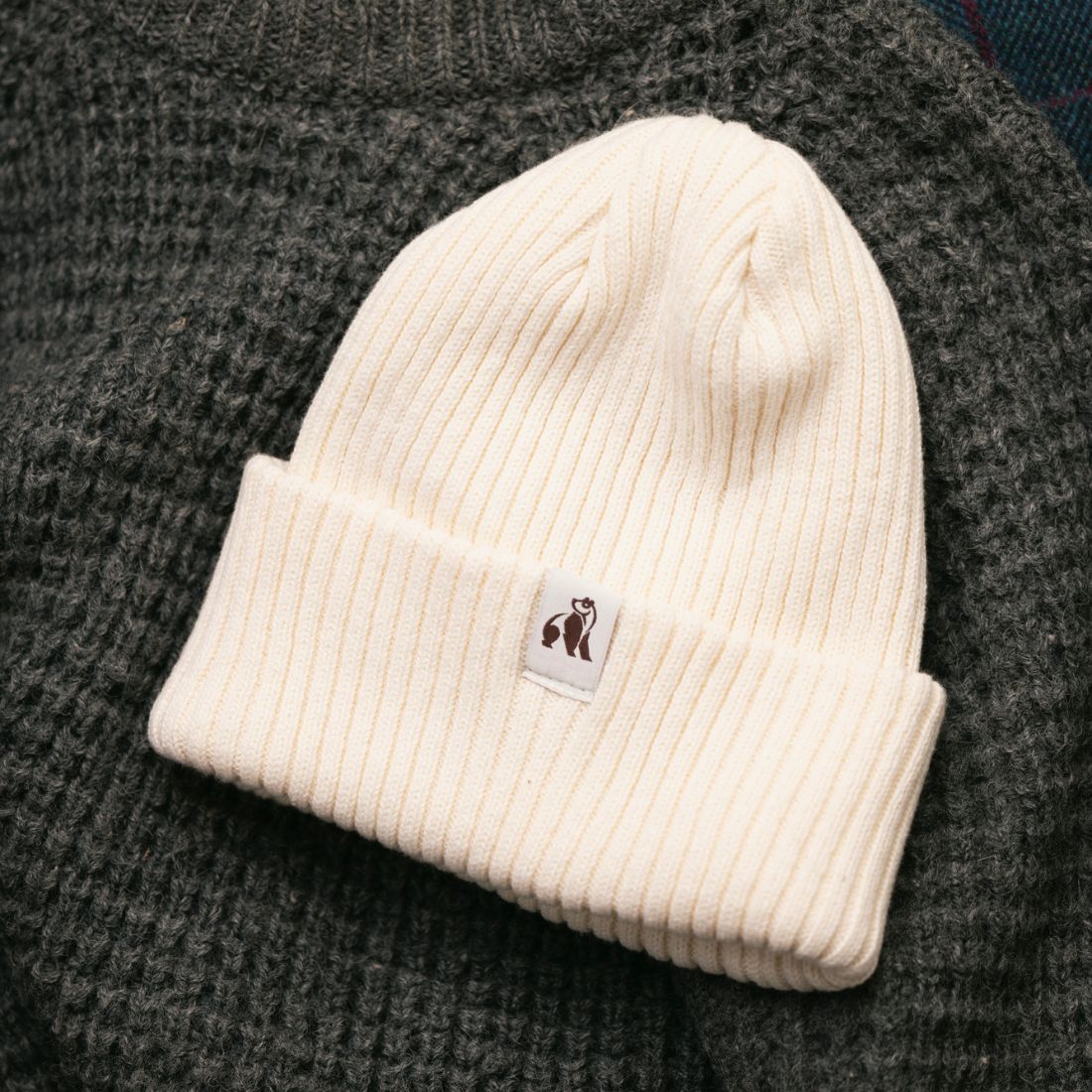


A gift is intended to create a positive moment, but its impact continues after it has been opened. The materials, usefulness, packaging and lifespan of the product all shape whether it becomes valued, forgotten or thrown away. This is especially important for businesses choosing gifts at scale. Comparing sustainable gifts vs traditional gifts is therefore not about making every present worthy or joyless. It is about choosing more thoughtfully.
What makes a gift sustainable?
Sustainable gifts are products selected with attention to environmental and social impact. That can mean lower-impact or recycled materials, responsible manufacturing, durable construction, reduced packaging and a clear practical use. No physical product is impact-free. The aim is to avoid unnecessary waste and choose something the recipient is likely to use repeatedly.
The limitations of traditional corporate gifts
Traditional corporate gifts often prioritise low unit cost, prominent branding and quick availability. This can produce items such as disposable novelty products, poor-quality plastic accessories or generic merchandise with little relevance to the recipient. These products may create a brief impression but can quickly enter drawers or waste streams. A cheap item is not good value if it is unwanted.
Why usefulness matters
The most successful corporate gifts for employees are usually practical. Socks, quality drinkware, notebooks, accessories and food can all work when chosen for the audience. Useful products generate repeated moments of contact with the giver and avoid the awkwardness of receiving something purely promotional. Sustainability improves when an item replaces a purchase the recipient would otherwise have made.
Materials and sourcing
Environmentally friendly gifts should be supported by credible material and sourcing information. Recycled fibres, certified paper, responsibly sourced natural materials and lower-impact packaging can all contribute. Claims should be specific. Terms such as eco-friendly or green are too broad on their own. Buyers should ask what the product is made from, where it was manufactured, how it is packaged and what evidence supports the claim.
Durability creates long-term impact
A durable product spreads its manufacturing impact over a greater number of uses. This is one reason quality should sit alongside material choice. A reusable item that breaks quickly is not necessarily better than a conventional product that lasts for years. Sustainable corporate gifts should feel substantial enough to reflect well on the organisation giving them.
Personalisation without waste
Branding can make a gift feel considered, but oversized logos may reduce the chance that recipients use it outside work. Subtle personalisation, attractive packaging and a short explanation of the product story can be more effective. For larger teams, offering a small choice of colours or products may improve relevance and reduce unwanted items.
The human side of gifting
Sustainability also includes the conditions in which products are made. Businesses should consider supplier transparency, labour standards and the relationship they build with manufacturers. A gift produced from an interesting material is not automatically responsible if the wider supply chain is ignored. Working with established suppliers and asking clear questions reduces this risk.
Cost and perceived value
Sustainable gifts may have a higher purchase price than mass-produced traditional corporate gifts. However, cost per use and perceived quality can tell a different story. One well-made item may create more goodwill than several cheap pieces of merchandise. Businesses can often improve the result by buying fewer categories, ordering earlier and investing in one product with a strong fit to the audience.
Measuring the impact
Impact can be measured in practical ways. Track how many products are distributed, whether recipients choose between options, the proportion of packaging that is recyclable and whether the supplier provides credible material information. Employee feedback is also valuable. A simple question about usefulness can inform the next gifting programme and prevent repeated waste.
Which has more impact?
Traditional gifts can still have a positive impact when they are useful, durable and thoughtfully selected. Sustainable gifts have the stronger potential when environmental and social considerations are built into the decision rather than added as marketing language. The greatest impact comes from combining responsible materials with quality, relevance and a product the recipient genuinely wants.
Avoiding greenwashing
A credible supplier should be able to explain its materials and avoid vague claims. Certifications can provide useful assurance when they are relevant, but they do not remove the need to assess the complete product. Clear, modest information is more trustworthy than a long list of unsupported environmental promises.
Planning a corporate gifting programme
Set the budget, audience and purpose first. Then choose the product, delivery method and packaging. Order early enough to avoid expensive air freight or rushed compromises. A thoughtful timetable can improve both commercial value and environmental performance.
Conclusion
For Swole Panda, gifting works best when the product tells a credible story and remains useful long after the occasion. A pair of well-made socks or a recycled-material accessory can be practical, personal and easy to enjoy without becoming another piece of disposable merchandise.


Leave a comment