







The short answer
A stretch woven belt usually offers the best balance of flexibility, adjustability and everyday style. A flat elastic belt can offer even more outright stretch, but it may look more technical or casual. If you want something that works with jeans, chinos and shorts while still moving with your body, the woven option is generally the more versatile choice.
The important point is that these categories overlap. Many stretch woven belts are themselves elasticated. The real comparison is between an elasticated woven construction, which combines structure and stretch, and a simpler flat elastic webbing belt designed mainly around movement.
What is a stretch woven belt?
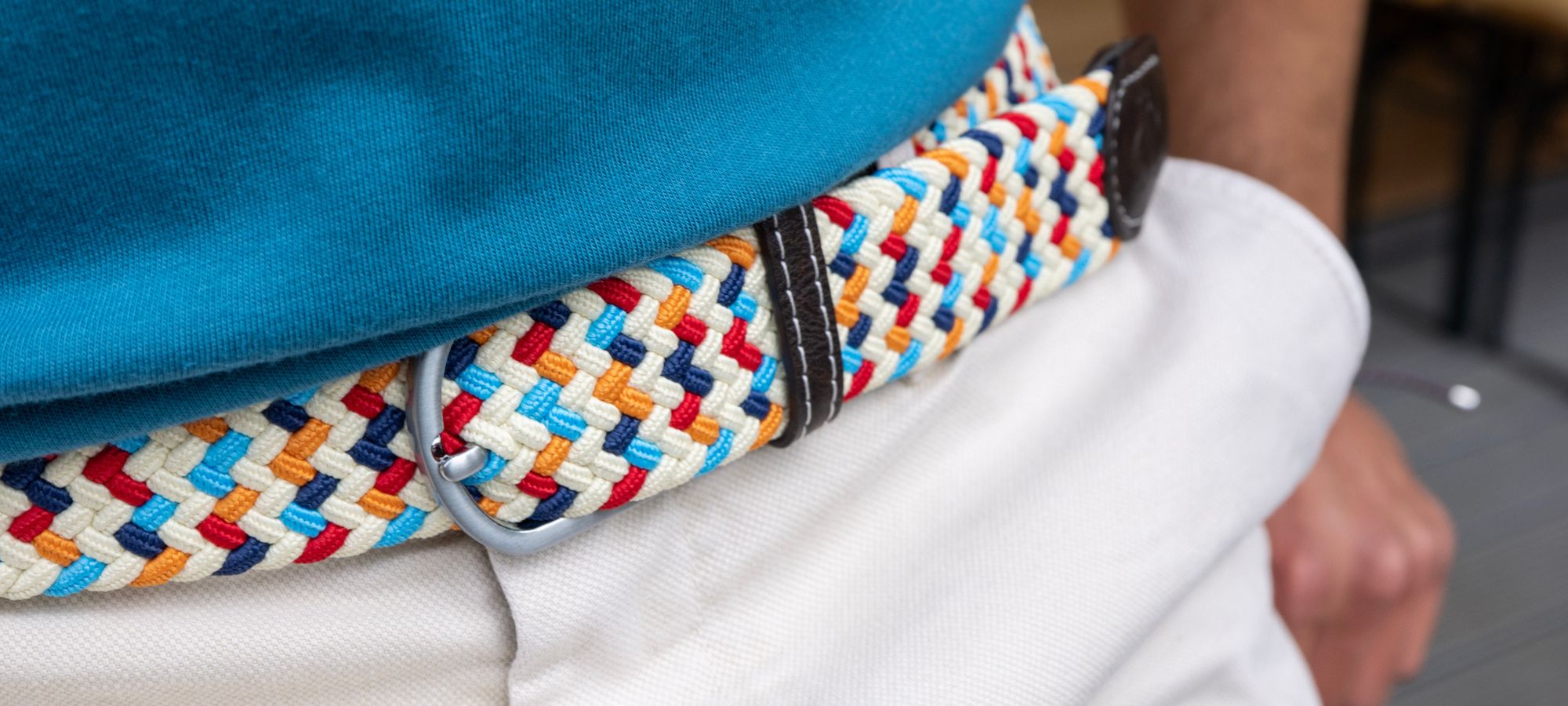
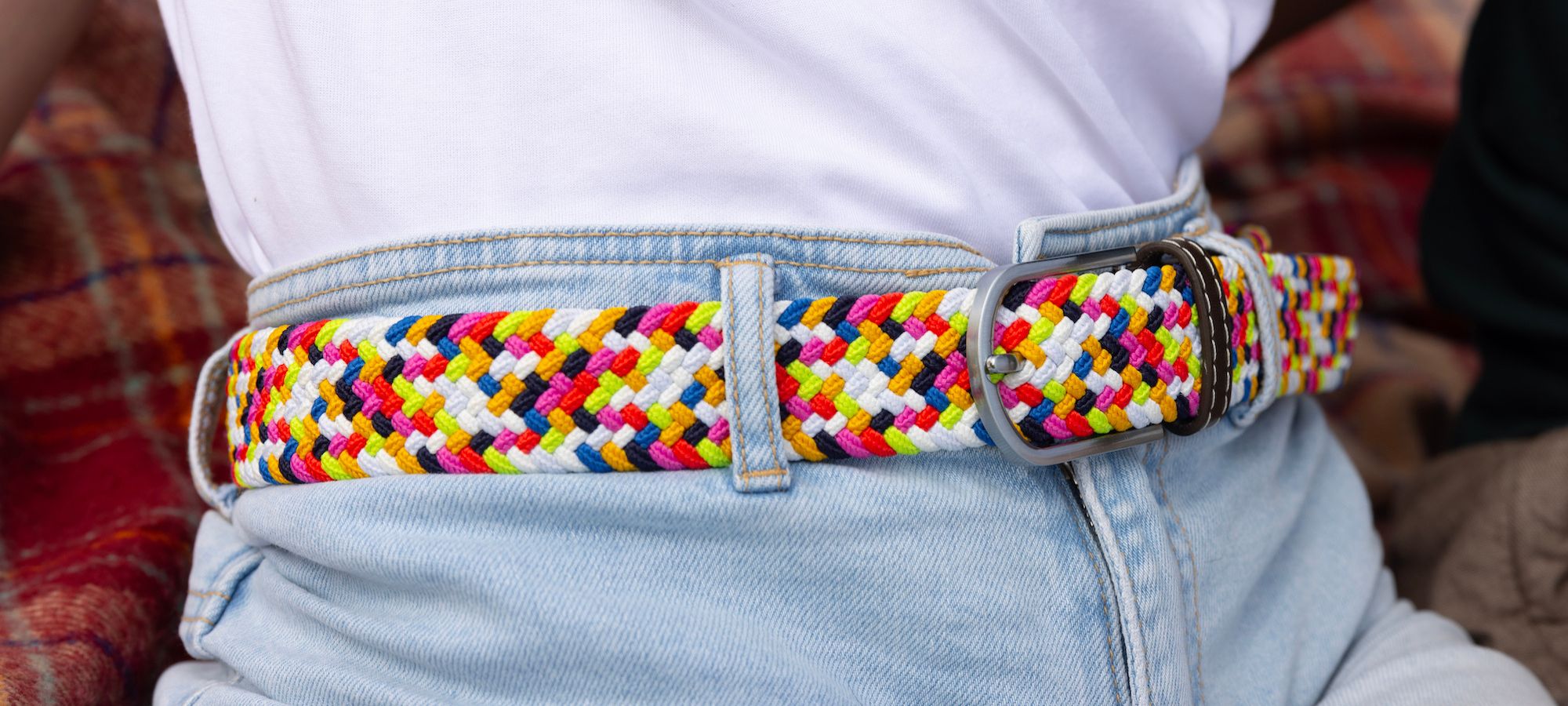
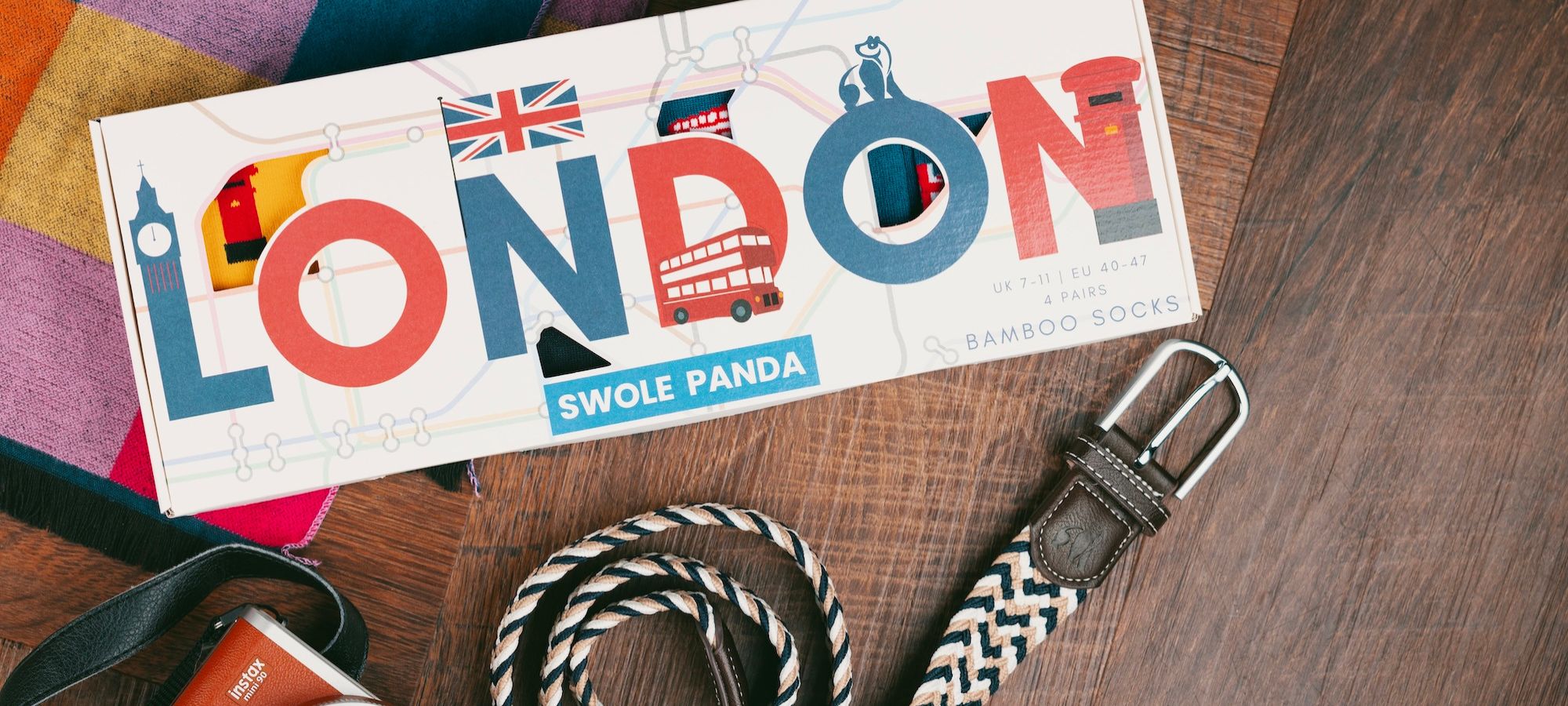
A woven belt is made from interlaced strands rather than one solid strip. When elastic yarns are incorporated into that weave, the belt can flex gently as you move. The buckle pin can also pass through the weave at almost any point, so you are not restricted to five or six fixed holes.
That continuous adjustability is one of the biggest practical advantages. You can tighten the belt exactly where it feels right in the morning, then loosen it by a few millimetres later without jumping a whole hole size.
Our recycled woven belts use REPREVE performance fibre made from recycled plastic bottles, with an elasticated construction and a low-profile buckle. They are 3cm wide, which keeps them versatile enough for most casual trouser and short loops.
What is a flat elastic belt?
A typical elastic belt uses a flat stretch webbing. Some have a clamp or sliding buckle rather than a traditional pin. Others use a small section of elastic combined with webbing or leather.
This type can be extremely flexible and is popular for hiking, golf, travel and active use. It moves easily with the body and usually creates very little pressure when sitting. The trade-off is appearance. Some designs look closer to outdoor equipment than a normal belt, which makes them less useful if you want one accessory to move between casual and smarter outfits.
There is nothing wrong with that. If your priority is maximum stretch for activity, a technical elastic belt may be exactly right. The question is whether that is the only thing you need it to do.
Which offers better flexibility?
For pure stretch, a flat elastic belt can win. It may extend further and recover quickly, particularly if it is designed for sport or outdoor use.
For controlled flexibility, we prefer the woven approach. The belt moves with you without feeling loose, and the textured weave still gives enough structure to hold trousers properly. You get a little give when you bend or sit, but the belt does not feel like an elastic band around your waist.
This matters because too much stretch can be as annoying as too little. If a belt elongates significantly under load, heavier jeans or items in your pockets can pull the waistband down. The best comfortable belts provide movement while still doing the basic job of a belt.
Are stretch belts good for long days of sitting?
Yes, and this is where they make the most obvious difference. Sitting changes the angle of your hips and waist, which can make a rigid belt feel noticeably tighter even though your actual waist measurement has not changed much.
A small amount of elasticity absorbs that change. Continuous adjustment also means you can fine-tune the fit instead of choosing between a hole that feels slightly too tight and one that feels slightly too loose.
For driving, flying, desk work and long meals, that is genuinely useful rather than a gimmick. We have always thought a belt should almost disappear once you put it on. If you are constantly aware of pressure from the buckle or waistband, the fit is not doing its job.
Which is better with jeans?
When looking at mens belts for jeans, style and width matter as much as flexibility. Jeans have a fairly casual, substantial construction, so they work well with woven texture, braided leather and traditional leather straps.
A woven belt is particularly easy because it adds texture without looking too formal. Navy, brown, khaki and darker multicolour designs work with most denim. Brighter colours can turn the belt into a deliberate accent rather than something purely functional.
A flat technical elastic belt can work with jeans, especially in very casual outfits, but the buckle style may make it feel more outdoors-focused. If you want the same belt for jeans on Friday, chinos at the weekend and shorts on holiday, woven usually has the edge.
What about smart-casual outfits?
This is another area where woven construction is useful. It is relaxed enough for casual clothing but neater than most webbing belts. With chinos, an Oxford shirt, knitwear or a polo, a simple navy or brown weave looks considered without becoming formal.
We would not wear one with a traditional business suit where a slim leather belt is still the more appropriate choice. But modern wardrobes contain far more smart-casual clothing than formal suiting, which is why a good woven belt tends to get used so often.
Which lasts longer?
There is no automatic winner. Durability depends on fibre quality, weave density, buckle construction, stitching and how the belt is used.
Flat elastic can eventually lose some recovery if it is repeatedly overstretched. A poor woven belt can fray or loosen. A good woven construction spreads movement across the belt and avoids concentrating all wear around one punched hole, which is one reason it can age well.
Our belts also use a brushed zinc-alloy buckle and recycled faux leather trim. We recommend sponge cleaning rather than machine washing, particularly to protect the trim. Looking after a belt properly is a simple way to extend its useful life.
How to choose between them
Choose a stretch woven belt if you want one belt for normal everyday clothing, value precise adjustment and like a more traditional buckle appearance. It is the option we would choose for jeans, chinos, shorts, travel and most smart-casual outfits.
Choose a flat elastic belt if you prioritise maximum movement, regularly hike or play sport in it, or prefer a very lightweight technical design. It can be ideal when performance matters more than conventional styling.
When comparing top rated mens belts online, do not be distracted by star ratings alone. Check how the belt adjusts, whether the buckle adds bulk, how much it stretches, what width it is and whether the design actually suits the trousers you wear.
Our view
We started making woven belts because rigid belts often create a compromise between looking good and feeling comfortable. An elasticated weave solves much of that without making the product look like sports equipment.
The fully adjustable construction is the feature we value most. Waistbands change slightly throughout the day, and people do not always sit at one exact measurement. A belt that lets you choose the precise fit is simply more useful.
FAQs
Are stretch belts good for long days of sitting?
Yes. A controlled amount of stretch allows the belt to move with your waist when you sit, drive or fly. A no-hole woven design also lets you make very small adjustments, which can be more comfortable than moving between fixed holes. Avoid belts that are so stretchy they stop supporting the waistband properly.
What are the most comfortable belts for everyday wear?
For most people, the most comfortable option is a belt with some flexibility, low buckle bulk and precise adjustability. Stretch woven designs are strong all-rounders because they combine those features with a normal casual appearance. Fit still matters, so choose the correct size rather than relying on stretch to compensate for a belt that is too small.
Are elastic belts only for casual outfits?
Mostly, although it depends on the design. Technical webbing styles look best with casual or active clothing. A neat woven elasticated belt can work with chinos, tailored shorts and other smart-casual outfits, making it more versatile across a typical wardrobe.


Leave a comment