




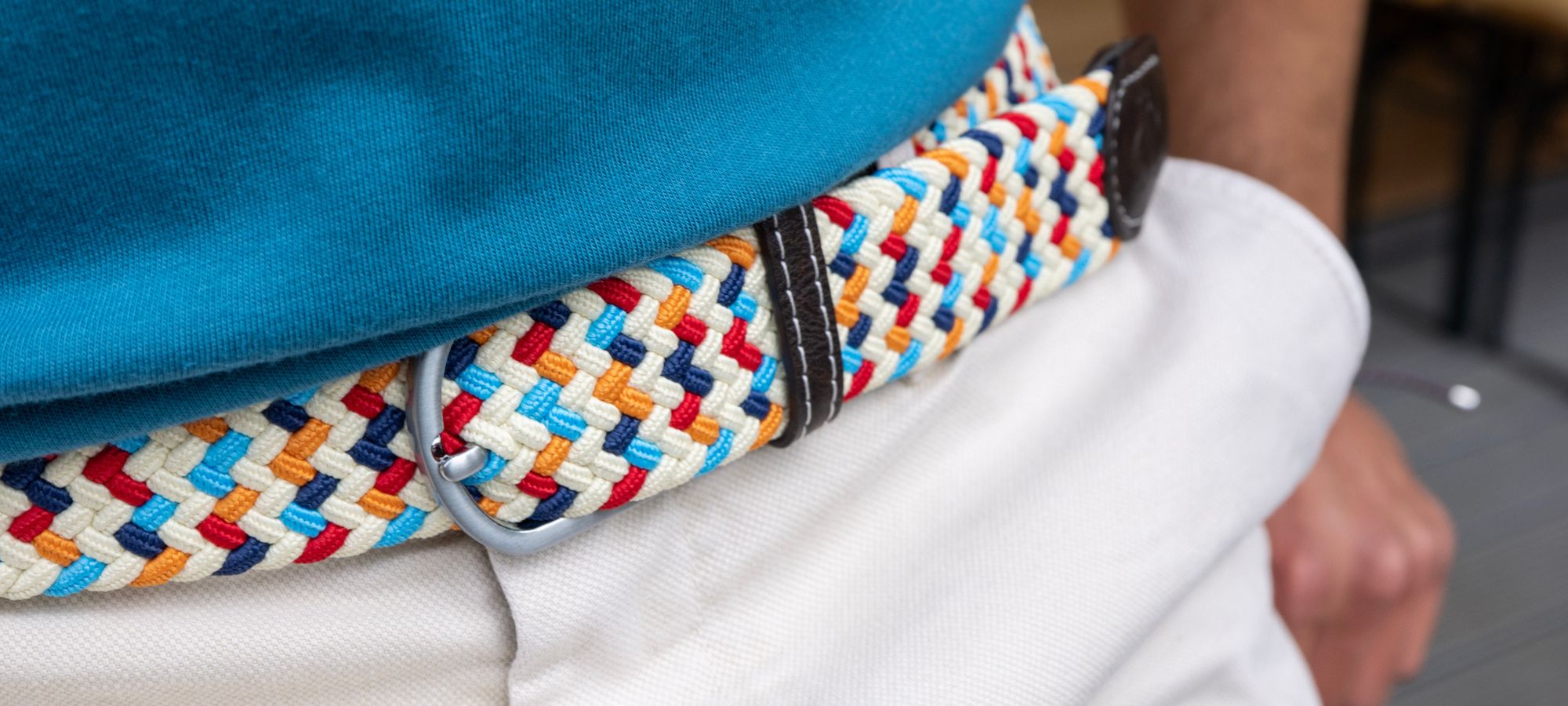

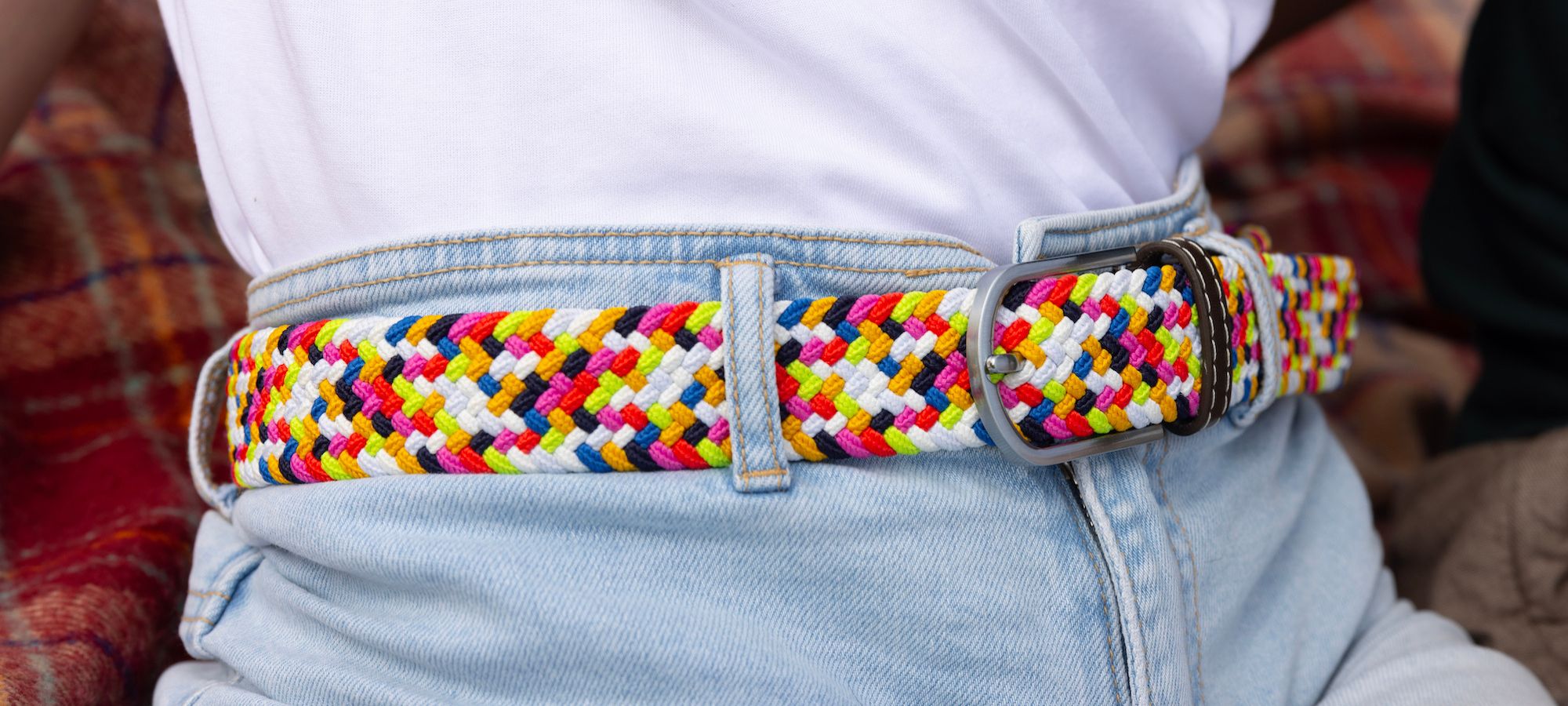
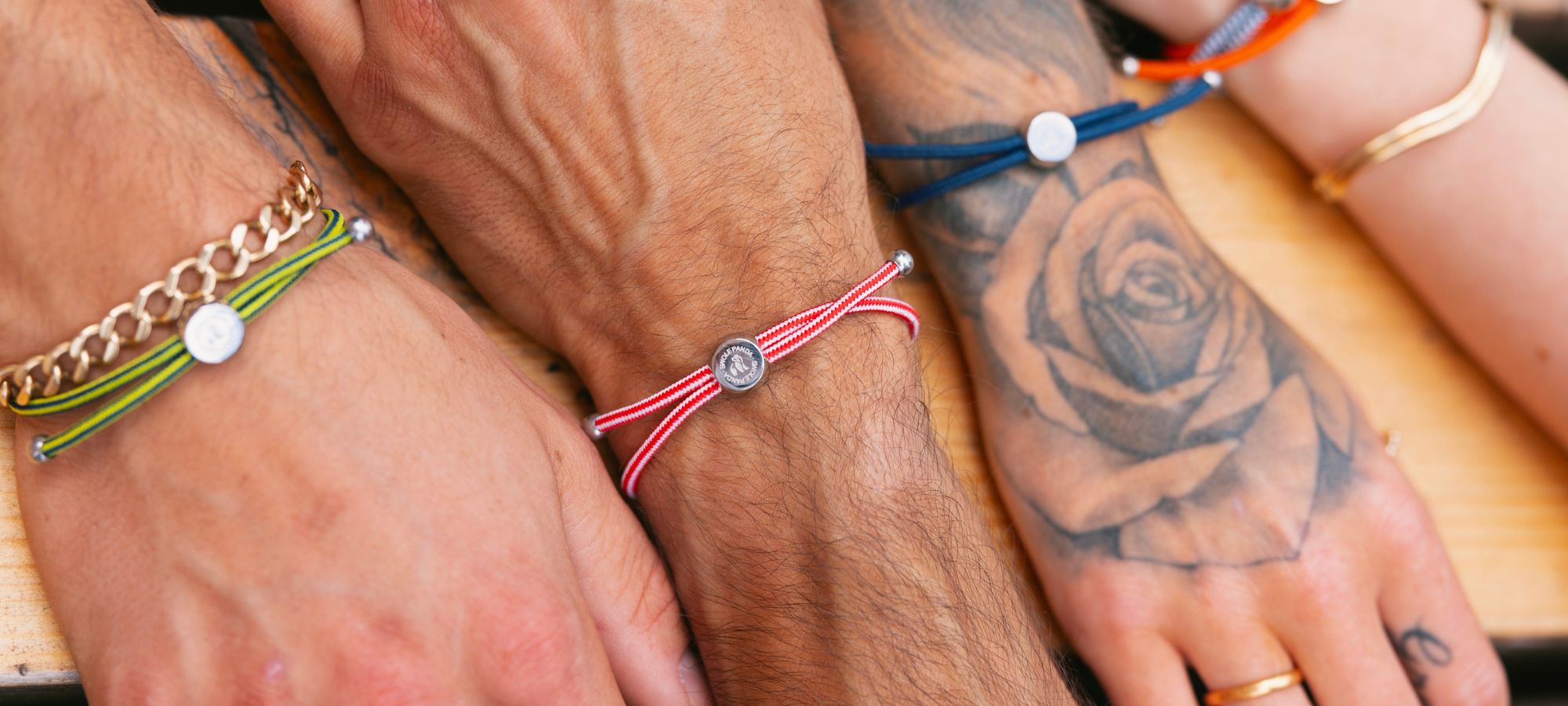

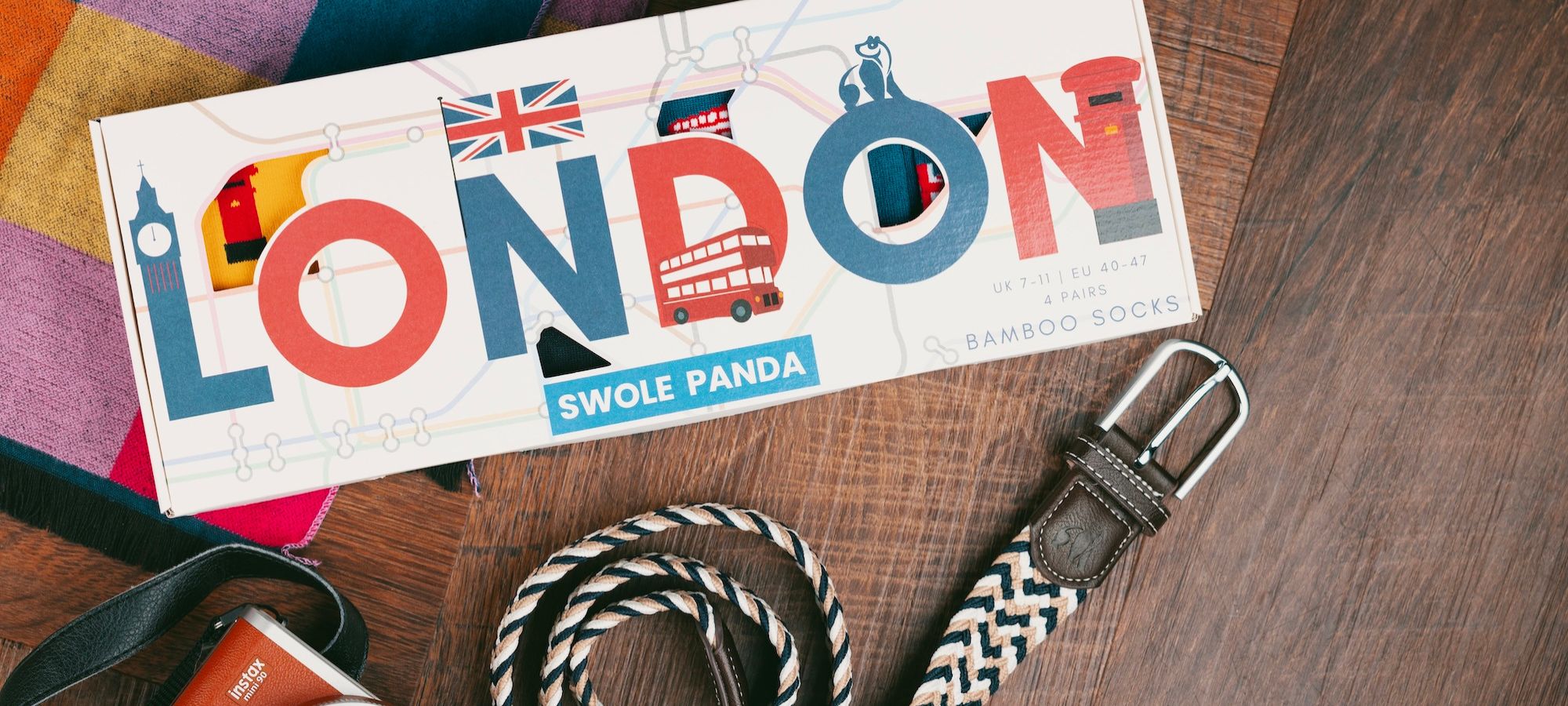

Fabric belts are getting seemingly more popular by the day. Their versatility is top-notch, and you can use fabric belts in different ways and styles. Although most of the fabric belts available are actually stretch belts, there is definitely a lot of variety surrounding them that you would want to know.
But, besides owning fabric belts, learning how to clean them is also critical. This article will teach you all you need to know about some of the best men’s belts, as well as a few cleaning tips.
The Importance of Caring for Fabric Belts
Like every fashion item, caring for your elasticated waist belt is important if you hope to make use of it. Belts can be very finicky, especially when you consider the material. And if you hope to use the belt for a long time, then keeping it in good shape and caring for it are non-negotiable.
Besides functionality, maintaining the aesthetic appeal of your belt is also key. Belts are delicate, and if you hope to keep their look, it will be important for you to care for them as you should.
Types of Fabric Belts
Fabric belts come in different shapes and forms. However, the defining factor for these adjustable belts is the material used in making them.
Generally, fabric belts are made of materials such as cotton and polyester. However, we’re also seeing a lot of variations in synthetic materials as well as more eco-friendly options like bamboo.
Each of these materials comes with its characteristics. Bamboo provides optimal breathability, while cotton is more absorbent and polyester provides optimal elasticity. Before making a choice, considering these characteristics will be important.
Tips for Washing Fabric Belts
When washing fabric belts, you have two options -
-
Hand Washing: Hand washing is the preferred option as it allows you to be gentle with the belt. Whatever option you choose, remember to be tender and use cleaning agents that aren't so tough.
-
Machine Washing: Machine washing isn't necessarily inappropriate either. Whatever option you choose, remember to be tender and use cleaning agents that aren't so tough. Finally, drying your belt should be done naturally — choose air-drying, as it helps to dry the entire material while not compromising its quality.
Storing Fabric Belts
When storing fabric belts, you need to choose a cool and dry place to keep them.
Your wardrobe is fine, or you could simply just create a specific section in your room where you hang your belt.
Generally, you want to abstain from folding the belt too much as you store it. This could lead to fraying and cause the belt material to look rougher.
Maintenance and Care
1.Regular cleaning and inspection
As you would expect, you need to properly clean and inspect your belts. Clean them, check them for defects, and treat any defects you might find immediately. This way, you can keep the belts for much longer.
2.Tips for extending the life of your fabric belts
If you would be looking to make your fabric belts last longer, proper cleaning and storage are key. Ensure to clean them regularly and keep them in cool, dry spaces alone.
Avoiding common mistakes that can damage your belts
As you look to optimise your belt’s performance, remember to avoid several critical mistakes. Be careful not to oversaturate your belt while washing, and don’t fold them while storing. Let the belts hang loose, and you’ll be able to optimise them.
Troubleshooting
Fabric belts are quite nifty and effective. However, they also tend to be very delicate and can fray easily - especially when they experience heavy use. To help with this, be very careful with your washing and drying, and try to mix your belts once in a while.
Discolouration is another issue you might want to be careful with, although use of the right cleaning agents on the belts should help handle this issue.
Sustainability and Ethics
As fashion trends continue to evolve, there has been a noticeable shift towards eco-friendly and ethical manufacturing methods.
Belts have been no different. As more people wear them, they have also demanded for belt options that were created using ethical and eco-friendly materials processes. These belts are good for the environment, and the world at large. And, as fashion enthusiasts, it is important that we also support them and help them take the trend of sustainability fashion to the next level.
Conclusion/Call to Action
Fabric belts definitely are the cream of the crop right now. And, we have just what you need. Check out the Swole Panda catalog, and let us know what you think!
FAQs
1. Can fabric belts be machine washed?
Some fabric belts can be machine washed, but hand washing is usually the safest option. If you do use a machine, place the belt in a laundry bag, use a gentle cycle and wash with mild detergent. Avoid high heat, bleach and tumble drying, as these can damage the fibres or reduce stretch. For a stretch woven belt, gentle care is especially important to help preserve elasticity.
2. How often should I clean my fabric belt?
A fabric belt does not need to be washed after every wear. For most people, occasional spot cleaning is enough unless the belt becomes visibly dirty or has absorbed sweat, mud or spills. If worn frequently, a light clean every few weeks can help keep it looking fresh. Always check the care instructions before washing.
3. How should I store fabric belts to keep their shape?
Fabric belts are best stored flat, loosely rolled or hanging in a cool, dry place. Avoid folding them sharply, as this can create creases or weaken the fibres over time. For woven stretch belts, storing them without tension helps the belt keep its shape and elasticity for longer.
4. Are bamboo fabric belts better than cotton or polyester?
Bamboo, cotton and polyester each have different benefits. Bamboo is soft, breathable and a more sustainable material choice. Cotton has a natural feel and is widely used, while polyester can add durability and stretch. The best fabric belt depends on how you plan to wear it. For everyday comfort, a well-made woven stretch belt offers flexibility, durability and a smart casual look.
5. What are fabric belts made of?
Fabric belts can be made from materials such as bamboo, cotton, polyester, recycled fibres or elasticated woven blends. Many men’s woven belts use a combination of fibres to create stretch, strength and comfort. Swole Panda belts are designed to be flexible, durable and comfortable enough for everyday wear.


Leave a comment