










The short answer
A high-quality bamboo sock should combine a genuinely soft bamboo-rich yarn with reinforcement, stretch, a smooth toe seam and a cuff that stays in place without digging in. The bamboo socks benefits people notice most in everyday life are softness, moisture comfort and breathability. Sustainability is more complicated and should be judged on sourcing, processing, durability and the wider company, not the plant name alone.
If you are comparing leading brands, our advice is to ignore the loudest headline and read the specification. The details are where the difference sits.
Why bamboo works so well in socks
Socks spend all day in a difficult environment. They are exposed to heat, moisture, friction and repeated stretching. A good sock needs to feel pleasant against the skin while remaining strong enough to cope with the heel and toe rubbing inside footwear.
Bamboo viscose can create a very smooth, fine yarn. That softness is immediate, which is one reason people often notice the difference as soon as they put a pair on. It can also absorb moisture well, helping the sock feel less clammy during normal daily wear.
That does not mean a 100% bamboo sock would necessarily be better. Pure softness without reinforcement can reduce durability and shape retention. A thoughtful blend is usually the more practical solution.
What makes bamboo socks high quality?
Start with fibre content, but do not stop there. Our standard Swole Panda socks use 75% Moso bamboo viscose, 22% polyamide and 3% elastane. The polyamide adds durability in high-wear areas, while elastane helps the sock fit and recover its shape.
Then look at construction. We use a hand-linked seamless comfort toe because a bulky seam across the front of the toes can become irritating over a long day. We also focus on a cuff that stays up without needing excessive pressure.
Those details matter whether you are buying from us or comparing another brand. High-quality sustainable socks should be designed around the way they are actually worn, not just the material story.
Are bamboo socks better than cotton socks?
For softness and moisture comfort, many people prefer bamboo viscose to conventional cotton. Bamboo yarn can feel smoother and cooler against the skin, particularly in finer everyday socks.
Cotton still has strengths. It is familiar, versatile and available in an enormous range of constructions. A premium cotton sock can be excellent, while a poorly made bamboo sock can be disappointing. Fibre alone never guarantees quality.
The more useful comparison is between complete products. If one sock has a smooth toe, reinforced heel, sensible stretch and a comfortable cuff, it will probably outperform a basic alternative regardless of the headline fibre.
Breathability and temperature comfort
One reason people switch to bamboo is that it can feel comfortable across changing temperatures. A fine knit allows airflow, while the fibre's absorbency helps manage normal perspiration.
That makes bamboo a strong choice for office wear, commuting, travel and everyday shoes. It does not turn a dress sock into a technical sports sock, however. If you are running a marathon or hiking all day in boots, choose a sock specifically engineered for that activity.
This distinction is important. Good products are better when they are honest about their use case. We design our standard bamboo socks for everyday comfort, not to pretend one sock can replace every specialist product.
What does sustainable actually mean here?
Bamboo grows quickly and can be cultivated efficiently, which makes it an interesting cellulose source. But the soft textile fibre used in socks is created through industrial processing. The environmental profile therefore depends on more than the crop itself.
When assessing environmentally friendly socks, look for transparency around materials, manufacturing and durability. Look at whether the business has credible external standards or certifications, how it packages products and whether it is prepared to discuss areas that still need improvement.
Swole Panda is B Corp certified, which means our wider social and environmental performance is independently assessed against the B Impact Assessment. We see that as useful discipline rather than a finishing badge. It pushes us to keep improving across the business instead of treating one fibre as proof that the job is done.
Durability is part of sustainability
A soft sock that develops a hole quickly is not a good result. That is why reinforcement is such an important part of the specification.
The heel and toe receive the most abrasion, so adding stronger fibres in those areas helps extend useful life. Proper fit matters too. A sock that is too small is under constant tension, while one that is too large can bunch and rub.
Care is another factor. We recommend washing our bamboo socks at 30C with similar colours, ideally inside out. Air drying is gentler where practical. Small habits like this help keep the yarn soft and reduce unnecessary wear.
When we talk about sustainable bamboo socks, longevity has to be part of the conversation. Buying less often is generally better than replacing socks because they were designed around softness alone.
How to compare leading bamboo sock brands
Rather than creating a league table based on marketing, use a simple checklist.
First, check the bamboo percentage and the rest of the blend. Second, inspect whether the heel and toe are reinforced. Third, look for a smooth or seamless toe construction. Fourth, check the size range and whether the cuff is designed for comfort. Fifth, look at the company's evidence behind its sustainability claims.
You can also read customer reviews for patterns rather than individual opinions. Repeated comments about slipping, tight cuffs or holes are more informative than one unusually positive or negative review.
Price matters, but cost per wear is more useful. A £5 pair that lasts a few months may be worse value than a £15 pair that remains in regular rotation for years.
Where Swole Panda sits
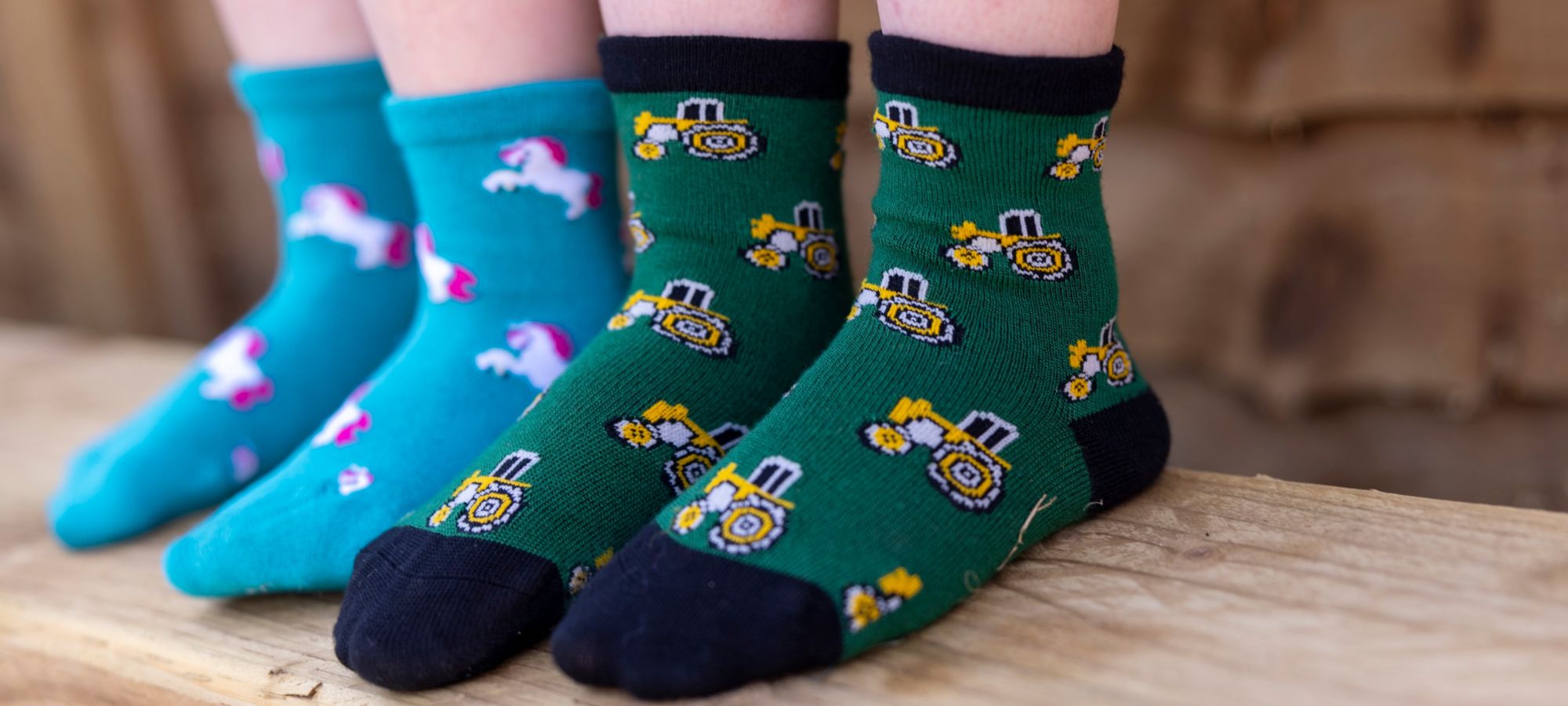
We position our bamboo socks as a premium everyday product. The aim is not to make the cheapest pair possible. It is to create a sock that feels noticeably better, holds up to regular use and comes in enough colours and designs that people genuinely want to wear it.
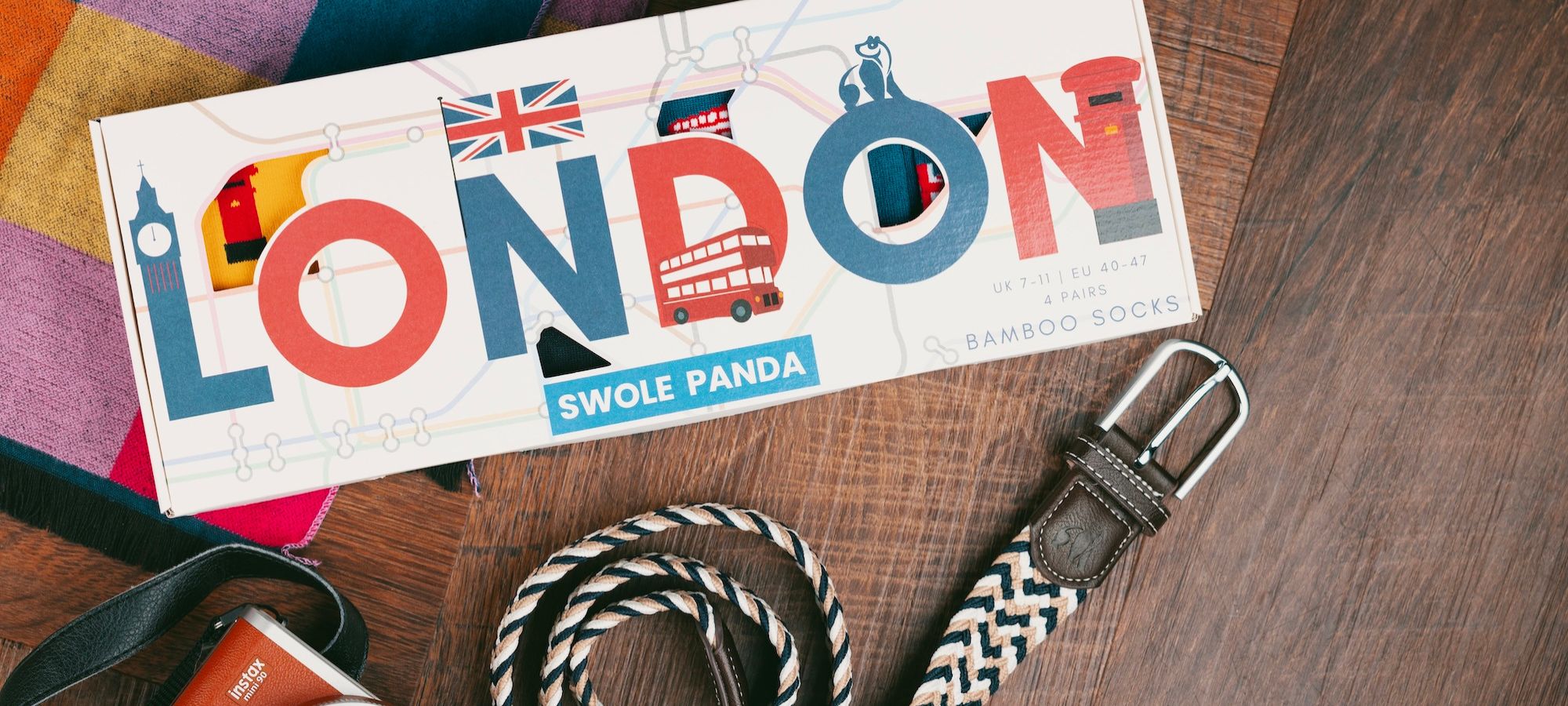
That is why we spend time on seemingly small features such as toe linking, cuff tension and reinforcement. It is also why we have built gift boxes and a broad design range around the core sock. Comfort gets the first purchase, but consistency is what brings people back.
We would rather earn a place among leading brands by making a better product than by claiming bamboo solves every environmental problem.
A note on compression socks
The keyword often appears near bamboo sock searches, but these are different categories. Compression socks are designed to apply graduated pressure to the lower leg and are commonly used for specific medical, travel or sporting purposes.
Compression socks benefits can include support for circulation and swelling in appropriate situations, but the level of compression matters and medical needs should be discussed with a healthcare professional. A normal bamboo everyday sock should not be described as a compression sock simply because the cuff is supportive.
If you need compression, buy a product that clearly states its compression level and intended use. If you want softness and normal day-to-day comfort, a standard bamboo sock is the more relevant category.
The final view
Bamboo is a very good material for everyday socks when it is used properly. It creates a soft, breathable feel and works particularly well in a blend designed around durability and fit.
The best eco friendly socks are not defined by one ingredient. They are the result of responsible material choices, good construction, realistic claims and a design that people keep wearing.
That is the standard we use for our own range. We are proud of bamboo as a core material, but we are even more interested in whether the finished sock is comfortable on Monday, still comfortable after dozens of washes and still the pair you choose from the drawer months later.
FAQs
What makes bamboo socks high quality?
Look for a high bamboo content combined with reinforcement and stretch, plus a smooth toe seam and a cuff that stays in place comfortably. Quality also shows in consistent sizing, finishing and how the sock performs after washing. A very high bamboo percentage is not automatically better if the sock loses shape or wears through quickly.
Are bamboo socks better than cotton socks?
They can be, particularly if you value a softer, smoother feel and good moisture comfort. Premium cotton socks can also be excellent, so compare the full specification rather than fibre names alone. For everyday wear, many people find a well-made bamboo blend noticeably comfortable.
Are bamboo socks environmentally friendly?
They can form part of a lower-impact product strategy, but bamboo viscose is still processed textile fibre. Look for transparent sourcing, credible manufacturing information, durability and wider company practices. Be cautious of any brand claiming that bamboo alone makes a product completely sustainable.
What are comfort fresh bamboo socks?
The phrase is often used generically in searches for soft, fresh-feeling bamboo socks rather than referring to one technical standard. Focus on the actual blend, construction and fit. Breathability, moisture absorption and a smooth toe are more meaningful product features than an undefined marketing phrase.


Leave a comment